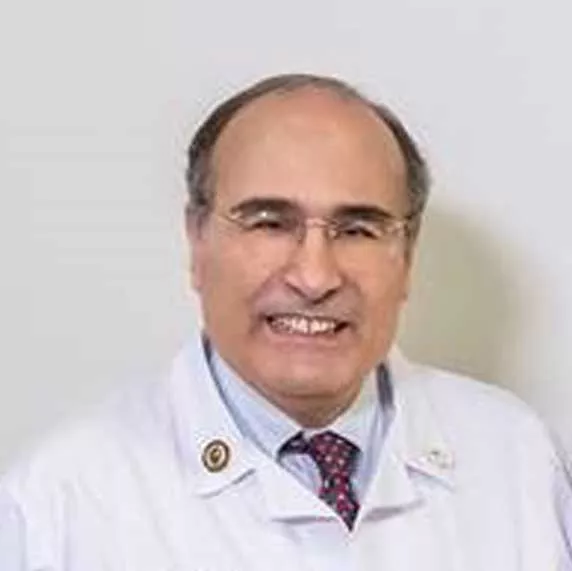
Yaron A. Moshel, MD, PhD
Brain Tumor Center Director · Neurosurgeon
Complex brain tumors, gliomas and glioblastoma, awake mapping, minimally invasive approaches and advanced brain tumor therapies.
View profile →
Advanced brain tumor care in New Jersey, combining deep surgical expertise with multidisciplinary treatment planning, advanced technology and access to innovative therapies.
At ABS Brain Tumor, our fellowship-trained neurosurgeons bring deep experience to both common and highly complex tumors. Every treatment plan is built around the individual tumor—and the person living with it.
No two brain tumors are exactly alike. The safest and most effective treatment depends on the tumor’s type, location, size and relationship to the areas of the brain that control speech, movement, vision, memory and other critical functions.

Experience matters most when it helps your surgeon understand not only how to reach a tumor, but how to treat it while protecting the brain around it.
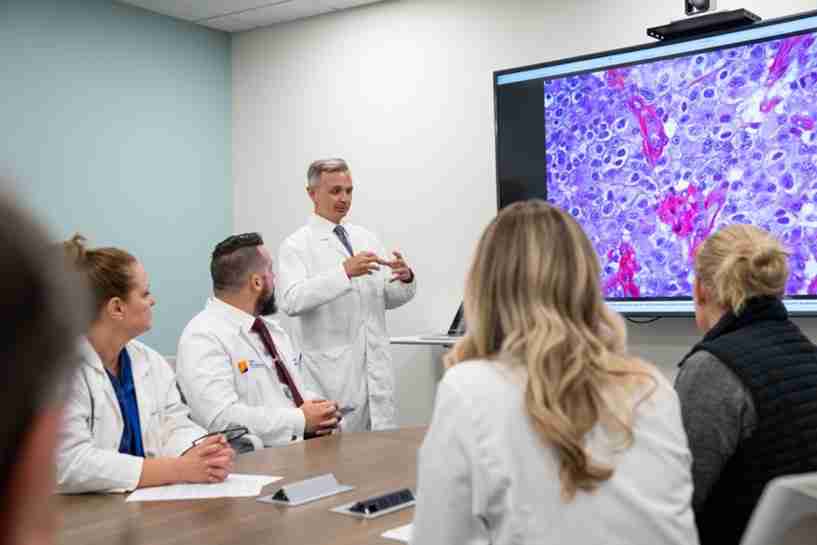
Brain tumor care often extends far beyond the operating room. ABS works closely with specialists across neuro-oncology, radiation oncology, neuropathology, neuroradiology and other disciplines to build a coordinated treatment plan around each patient.
From diagnosis and surgery through additional treatment and ongoing monitoring, your specialists stay connected as your needs change.
Every patient benefits from a personalized surgical strategy shaped by careful evaluation, collaboration and subspecialty expertise.
We evaluate the tumor’s type, location, size and relationship to the areas of the brain responsible for critical functions.
Surgical planning considers not only how to reach and remove the tumor, but how to protect speech, movement, vision and other neurological function.
The goal is to remove as much tumor as safely possible while minimizing risk to healthy brain tissue.
The surgical strategy is selected around the individual tumor, anatomy and needs of each patient.
Advanced tools can help our surgeons reach difficult tumors, distinguish tumor from healthy brain and protect critical neurological function.
Allows surgeons to monitor functions such as speech and movement during surgery while removing tumors near critical areas of the brain.
Learn more →A minimally invasive approach through the nose that can provide access to pituitary and select skull base tumors without opening the skull through a traditional craniotomy.
Learn more →5-ALA causes certain tumor cells to fluoresce during surgery, helping surgeons distinguish tumor tissue from surrounding healthy brain.
Learn more →An MRI-guided laser technique that can treat select tumors through a small opening, offering a minimally invasive option for appropriately selected patients.
Learn more →
At 77, Tom was diagnosed with glioblastoma affecting an area of his brain involved in speech. His surgery combined advanced brain mapping, monitoring and 5-ALA fluorescence to remove the tumor while protecting critical function. Months later, Tom crossed the New York City Marathon finish line alongside his wife, Fran.
Read Tom's Story →The right treatment depends on the tumor’s type, location, biology and behavior—as well as your health and goals. Your care may involve surgery alone or a combination of treatments delivered by specialists working together.
For tumors that can be safely removed, microsurgical techniques allow surgeons to work with precision around delicate brain tissue, nerves and blood vessels.
Explore brain tumor surgery →Highly focused radiation can treat select tumors without an incision and may be used instead of surgery or as part of a broader treatment plan.
Explore radiosurgery →For select brain tumors, radiation tiles can be placed directly in the surgical cavity at the time of tumor removal, delivering targeted radiation where it is needed most.
Explore GammaTile →For select brain tumors, chemotherapy wafers can be placed directly in the surgical cavity at the time of tumor removal, delivering medication where the tumor was located.
Explore Gliadel →For some patients, the best treatment option may include a clinical trial. Through collaboration with Atlantic Health’s neuro-oncology and research teams, eligible patients may have access to investigational therapies that are helping shape the future of brain tumor care.

For some patients, the treatment plan may include a clinical trial. Through collaboration with Atlantic Health’s neuro-oncology and research teams, eligible patients may have access to investigational therapies being studied for brain tumors.
Our fellowship-trained brain tumor neurosurgeons bring specialized expertise across gliomas, meningiomas, pituitary and skull base tumors, metastatic tumors and other complex brain tumors.
Complex brain tumors, gliomas and glioblastoma, awake mapping, minimally invasive approaches and advanced brain tumor therapies.
View profile →
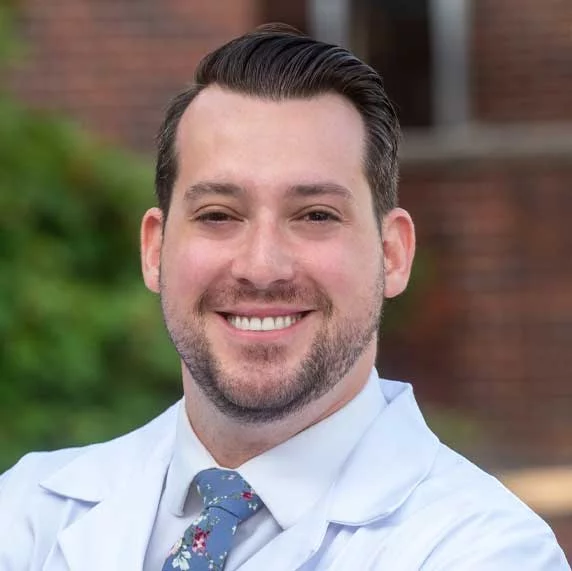
Complex brain and skull base tumors, meningiomas and minimally invasive approaches to difficult-to-access tumors.
View profile →
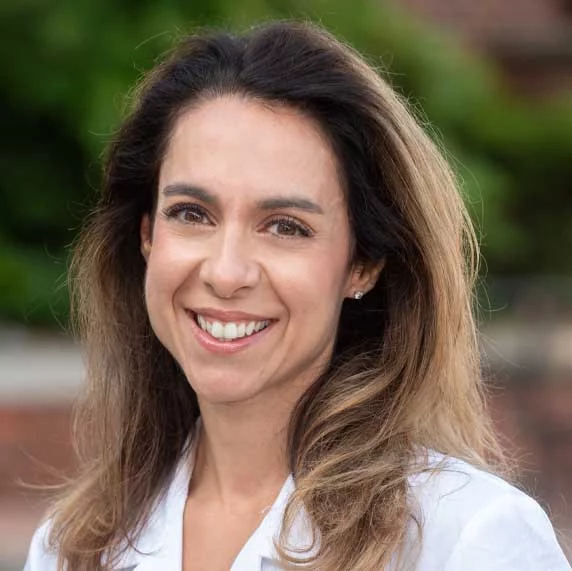
Specializes in complex brain and skull base tumors, including tumors in difficult-to-access areas.
View profile →

Every brain tumor diagnosis comes with its own questions, decisions and path forward. Meet patients who trusted our team with their care—and see where that care has taken them.





No two brain tumors are exactly alike. Their type, location, growth pattern and relationship to critical areas of the brain all influence treatment. Our specialists care for patients with benign and malignant brain tumors, including newly diagnosed, recurrent and complex tumors that may require advanced surgical or multidisciplinary treatment.
The next step is to understand exactly what type of tumor you have, where it is located and which treatment options may be appropriate. Our brain tumor specialists can review your imaging, diagnosis and medical history and help you understand what comes next.
No. Treatment depends on the tumor’s type, location, size and behavior, as well as your symptoms and overall health. Depending on the diagnosis, care may include observation, surgery, radiation, systemic therapy or a combination of treatments.
No two brain tumors are exactly alike. Our specialists consider the tumor’s type, location, biology and relationship to critical areas of the brain, along with your health and goals, to develop an individualized treatment plan.
Depending on the tumor, treatment may include microsurgery, awake brain mapping, endoscopic endonasal surgery, stereotactic radiosurgery, laser interstitial thermal therapy (LITT), GammaTile® therapy, Gliadel® wafers and other specialized approaches. The right option depends on the individual tumor and patient.
Yes. ABS provides second opinions for patients with newly diagnosed, complex and previously treated brain tumors. Our specialists can review your imaging, pathology and proposed treatment plan and help you understand whether other approaches should be considered.
Yes. Our neurosurgeons have extensive experience treating complex tumors, including tumors located near areas of the brain responsible for speech, movement, vision, memory and other critical functions. Advanced imaging, mapping, monitoring and surgical technologies may be used to help maximize tumor treatment while protecting healthy brain tissue.
Clinical trials may provide access to emerging therapies for eligible patients. Availability depends on the tumor type, previous treatments and the requirements of individual studies. Our brain tumor team can determine whether a current clinical trial may be appropriate for you.
If you have been newly diagnosed or need a second opinion, contact our team so we can understand your situation, review the information available and help coordinate an appointment with the appropriate brain tumor specialist.
Whether you’ve just received a diagnosis, are weighing treatment options or need another opinion, our brain tumor team can help you understand what comes next.
Understand your diagnosis and meet with a specialist to discuss your next steps.
Have your diagnosis, imaging and treatment recommendations reviewed by our brain tumor specialists.
Learn which surgical approach may offer the safest and most effective treatment for your tumor.
Learn about your type of brain tumor and what it may mean for your treatment options.
You can still choose your neurosurgical team. Ask for Atlantic Brain & Spine.
From a new diagnosis to a complex brain tumor, our specialists can help you understand your options and determine the right next step.
This page is for general education and does not replace medical advice. Treatment decisions should be made with a qualified spine surgeon based on your individual diagnosis and imaging.
Medically reviewed by Yaron A. Moshel, MD, PhD, Neurosurgeon · Last reviewed: September 9, 2026

Edison
100 Dey Place, Suite 104
Edison, NJ 08817
Location Details
Manalapan
21 Hwy 9, Suite 11
Manalapan, NJ 07726
Location Details
Morristown
60 Columbia Rd, Building A
Morristown, NJ 07960
Location Details
Morristown Medical Center
Carol G. Simon Cancer Center
100 Madison Avenue, 3rd Floor
Morristown, NJ 07960
Location Details
Summit
Medical Arts Center (MAC) II
11 Overlook Road
Suite B110
Summit, NJ 07901
Location Details
Overlook Medical Center
99 Beauvoir Ave, 5th Floor
Summit, NJ 07901
Location Details
CentraState Medical Center
Freehold, NJ
Chilton Medical Center
Pompton Plains, NJ
Cooperman Barnabas Medical Center
Livingston, NJ
Englewood Hospital
Englewood, NJ
Jersey Shore University Medical Center
Neptune, NJ
Monmouth Medical Center
Long Branch, NJ
Morristown Medical Center
Morristown, NJ
Newton Medical Center
Newton, NJ
Overlook Medical Center
Summit, NJ
RWJ University Hospital
New Brunswick, NJ
St. Peter’s University Hospital
New Brunswick, NJ
The Valley Hospital
Paramus, NJ
10 Madison Avenue
Suite 202
Morristown, NJ 07960
Main: 973.993.7100
Billing Department: 973.993.7700
Fax: 973.971.7315
© Copyright 2023 | Atlantic Brain and Spine | All Rights Reserved